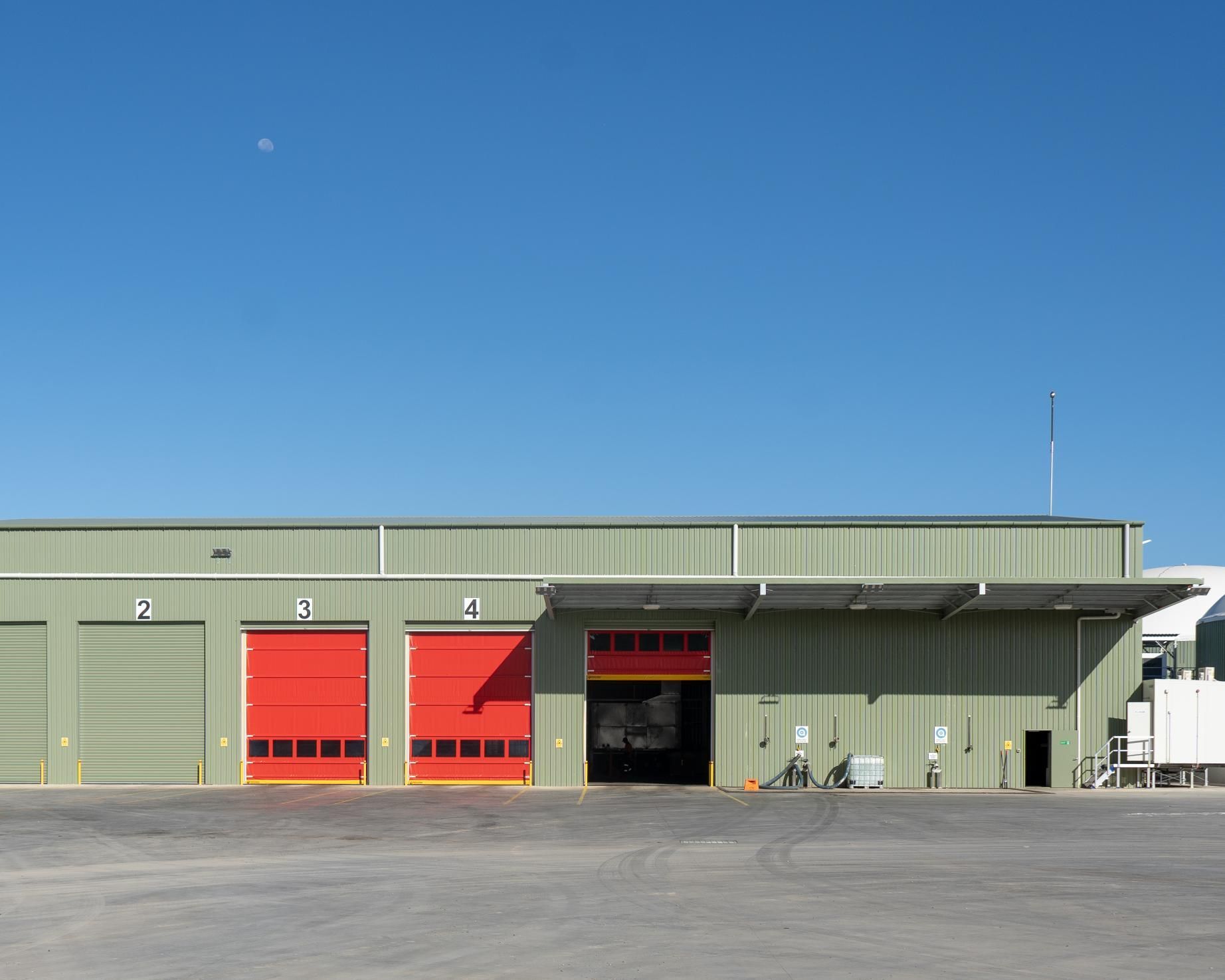
Cover Up: The Compliance Case for Enclosed Waste Processing
10 June 2026

Aaron Barker, Head of Sales
IN BRIEF
- Export bans, EPA oversight, and odour complaints are making open-air processing harder to defend at planning and licence reviews.
- More waste operators are moving processing and storage under cover to protect site approvals and reduce long-term regulatory exposure.
- The right enclosed structure does more than provide shelter. It forms part of a credible compliance position.
- Getting your design and engineering team involved early is the most effective way to make sure your building works as hard as your operation does.
Covered Waste Structures: A Guide for Site Operators and Developers
Australia's waste sector is shifting, and the pressure is landing on site operators and developers who haven't yet adapted. Export bans, tightening EPA oversight, odour complaints, and growing community scrutiny are changing what regulators expect to see, and what planning panels are willing to approve.
Open-air processing areas that passed without comment a decade ago are now a liability. They attract objections, trigger conditions, and in some cases put long-term site licences at risk.
At Steelcorp, we work with waste operators and developers across Australia on enclosed processing and storage structures. What we're seeing across current projects is a consistent shift: the building is no longer just infrastructure. It's part of the compliance strategy.
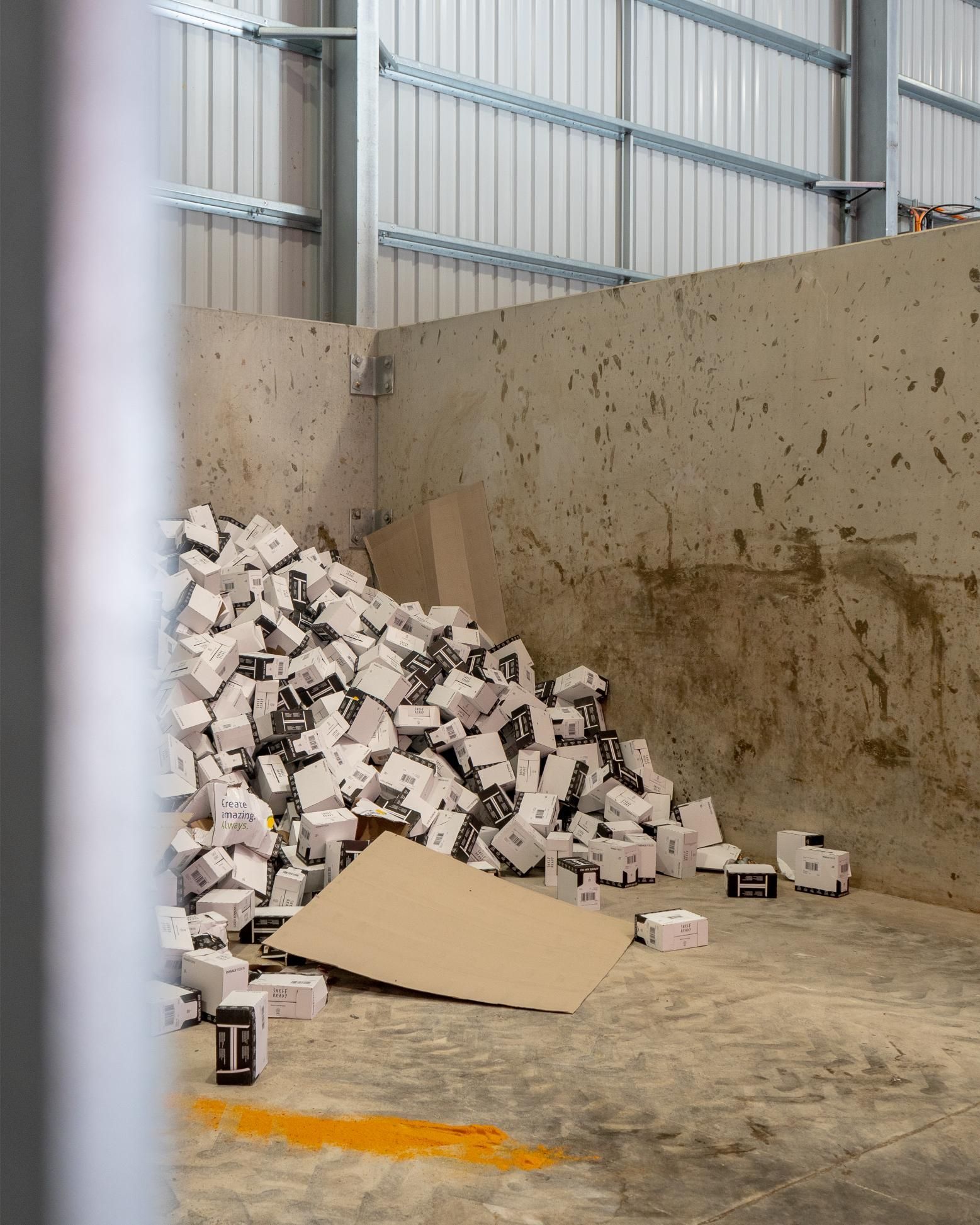
Why Open-Air Processing Is Getting Harder to Defend
The regulatory environment hasn't changed overnight, but the cumulative effect is now difficult to ignore. Export bans have increased volumes held on site. EPA enforcement has become more active. And communities living near waste facilities are more organised and more vocal than they were even five years ago.
Odour is often the trigger. A single complaint can prompt an inspection. A pattern of complaints can affect your licence conditions. An unresolved odour issue at a planning review can stall or block an expansion entirely.
The operators managing this well aren't just responding to complaints. They're removing the conditions that create them.
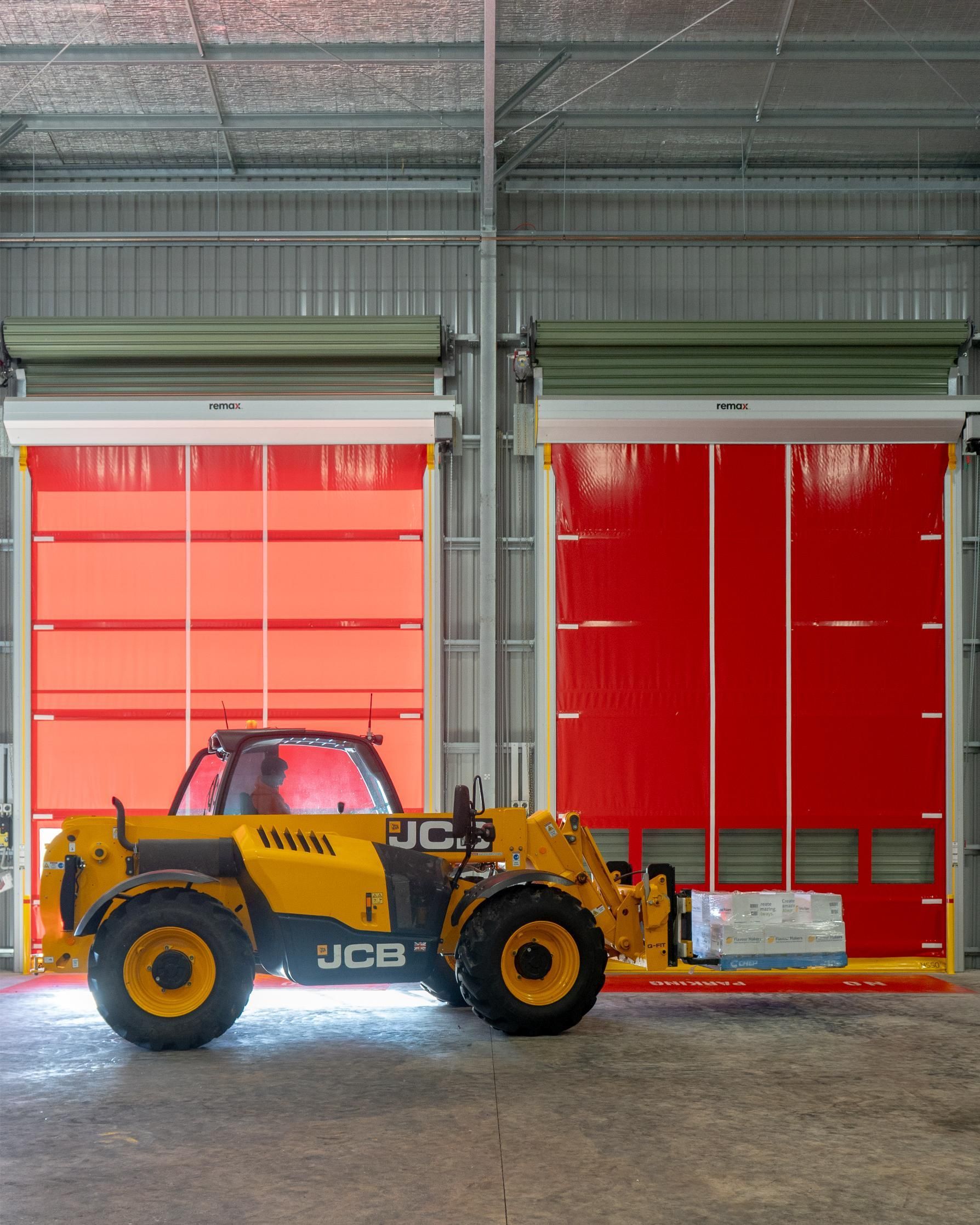
The Building as a Compliance Asset
Moving processing and storage under cover changes the risk profile of a site in a way that operational adjustments alone cannot.
An enclosed structure gives you control. Air movement can be managed. Odour can be treated at the source. Visual amenity improves. And when you sit across the table from a planning panel or EPA officer, you have something tangible to point to.
"The building shifts the conversation," says the Steelcorp waste structures team. "It moves you from 'we're working on it' to 'here's what we've built.' That's a fundamentally different position to be in."
What an Effective Enclosed Waste Structure Looks Like
Not all enclosures are equal, and an undersized or poorly configured structure can create new problems while failing to resolve the original ones.
What works in practice:
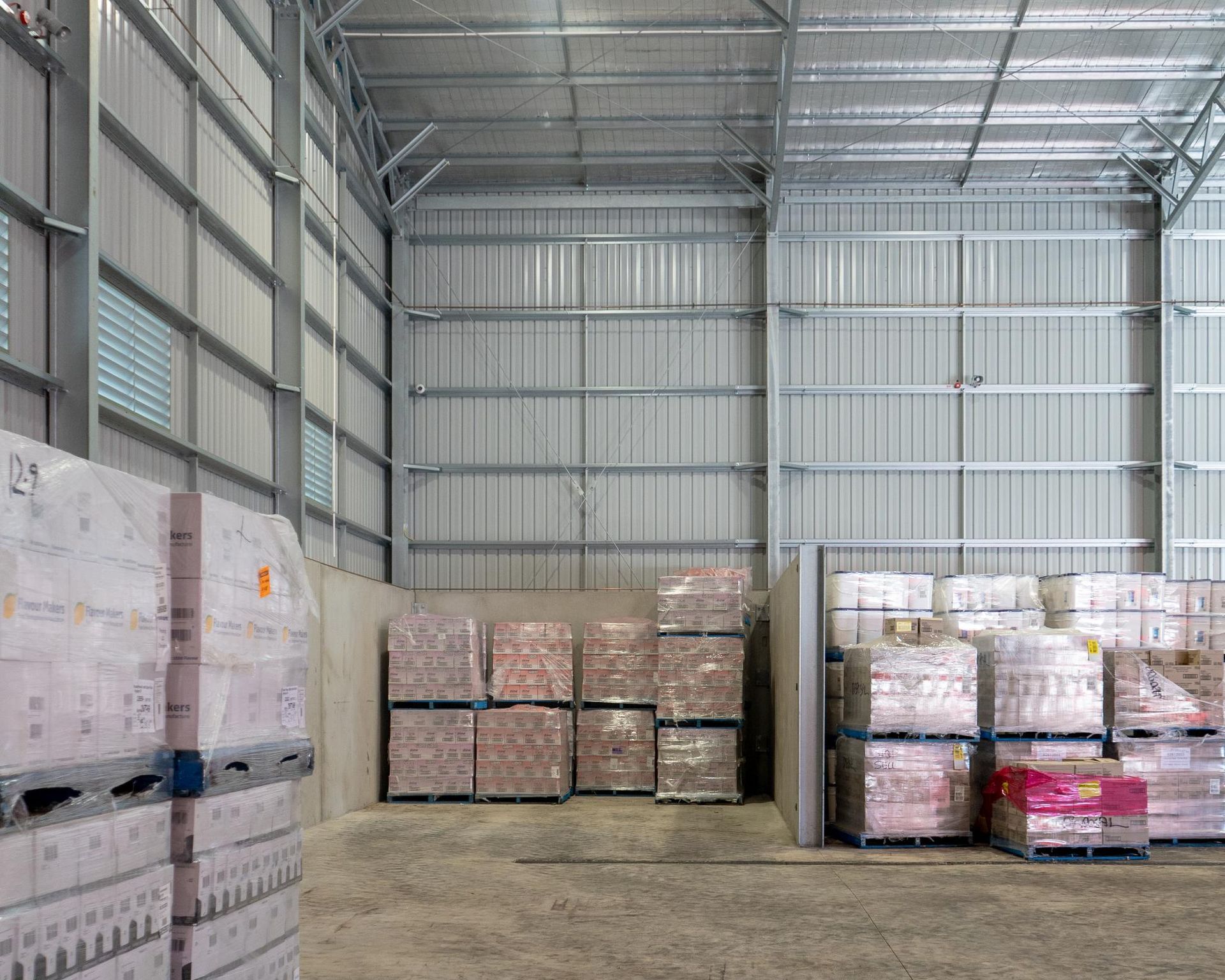
- Clear span design that accommodates machinery, equipment, and future operational changes without excess internal columns.
- Negative air pressure systems paired with odour treatment, integrated into the building from the design stage rather than retrofitted.
- Vehicle access and tipping bays designed for operational flow, not just structural compliance.
- Wall and door configurations that support EPA requirements around stormwater, leachate, and containment.
Getting the design right means involving your engineering team before the brief is fixed, not after. The decisions made early, on span, height, wall type, and access, are the ones that determine whether the building performs.
Working with Steelcorp on Waste Industry Builds
Steelcorp delivers waste enclosure projects under one roof, from design and engineering through to fabrication and installation. Our team understands the operational demands of waste processing environments and the regulatory context operators are working within.
We've built structures for material recovery, organics processing, transfer stations, and resource recovery facilities across Australia. Each one is engineered for the site, the licence conditions, and the operator's long-term plans.
If you're reassessing site risk or planning upgrades, we're seeing consistent patterns across current projects and can share what's proving effective.
Ready to protect your approvals and reduce regulatory exposure?
Start the conversation with Steelcorp today.
"The building shifts the conversation. It moves you from 'we're working on it' to 'here's what we've built.' That's a fundamentally different position."
Aaron Barker, Head of Sales